
The Cambridge Curriculum, Grades 6 to 10
Five years with Cambridge Assessment International Education (CAIE) - the University of Cambridge's international education body. Cambridge Lower Secondary in Grades 6 to 8, Cambridge IGCSE in Grades 9 and 10.
Why a Cambridge Qualification Travels
If your family may move — another state, another country, an overseas university — the qualification your child holds at sixteen matters. Cambridge is understood by admissions offices and employers in more than 160 countries, because it tests whether a learner can apply an idea, not whether they revised the right chapter.
160+
Recognised Worldwide
Countries where Cambridge is trusted
Global
University Pathways
Accepted by leading universities in India and abroad
Concepts
Understanding First
Assessed on reasoning, not recall
Teachers
Cambridge Qualified
Trained in Cambridge methods and assessment
Two Stages, Five Years
Grade 6 to Grade 10, in two distinct phases. Pick one to see what changes between them.
What a Lesson Actually Looks Like
“Understanding over memorisation” is easy to put on a website. These are the five habits our classrooms are built around, and what they look like on an ordinary Tuesday.
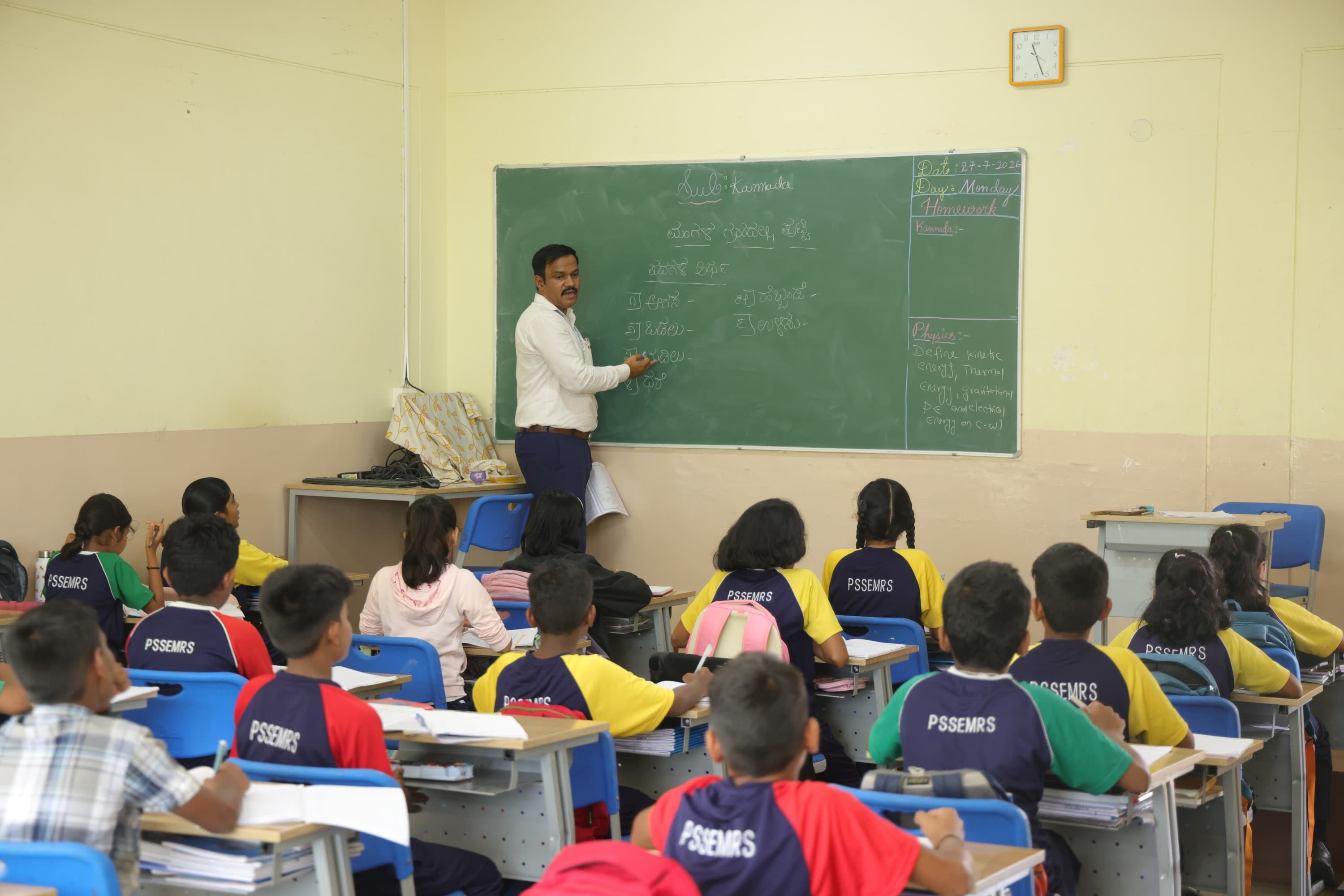
Question With Curiosity
A lesson opens with something that does not yet make sense. Learners are expected to ask why before anyone writes down what.
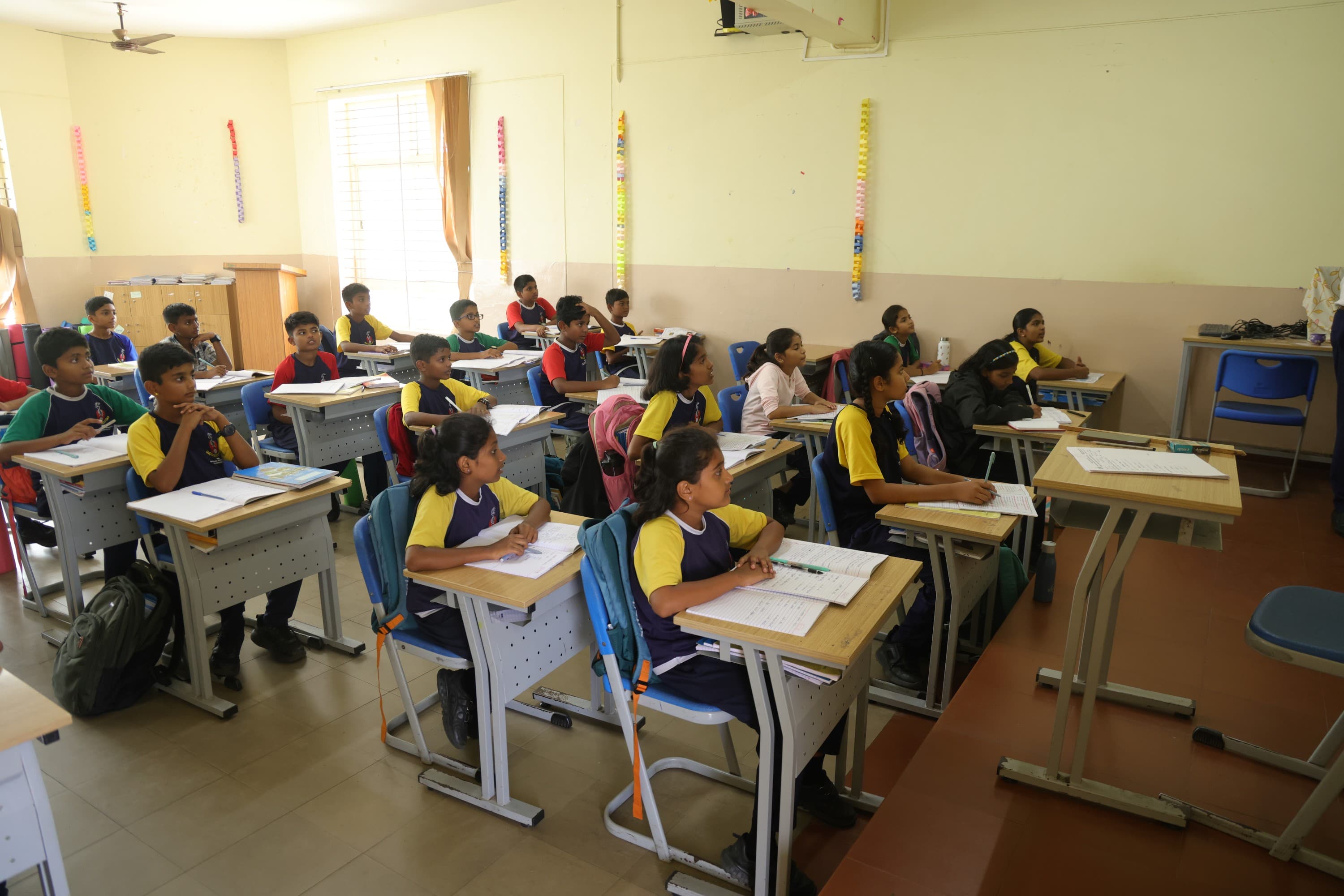
Think Critically and Reason
Weighing evidence, spotting a weak argument, noticing what a source leaves out. Reasoning you can defend when someone pushes back.
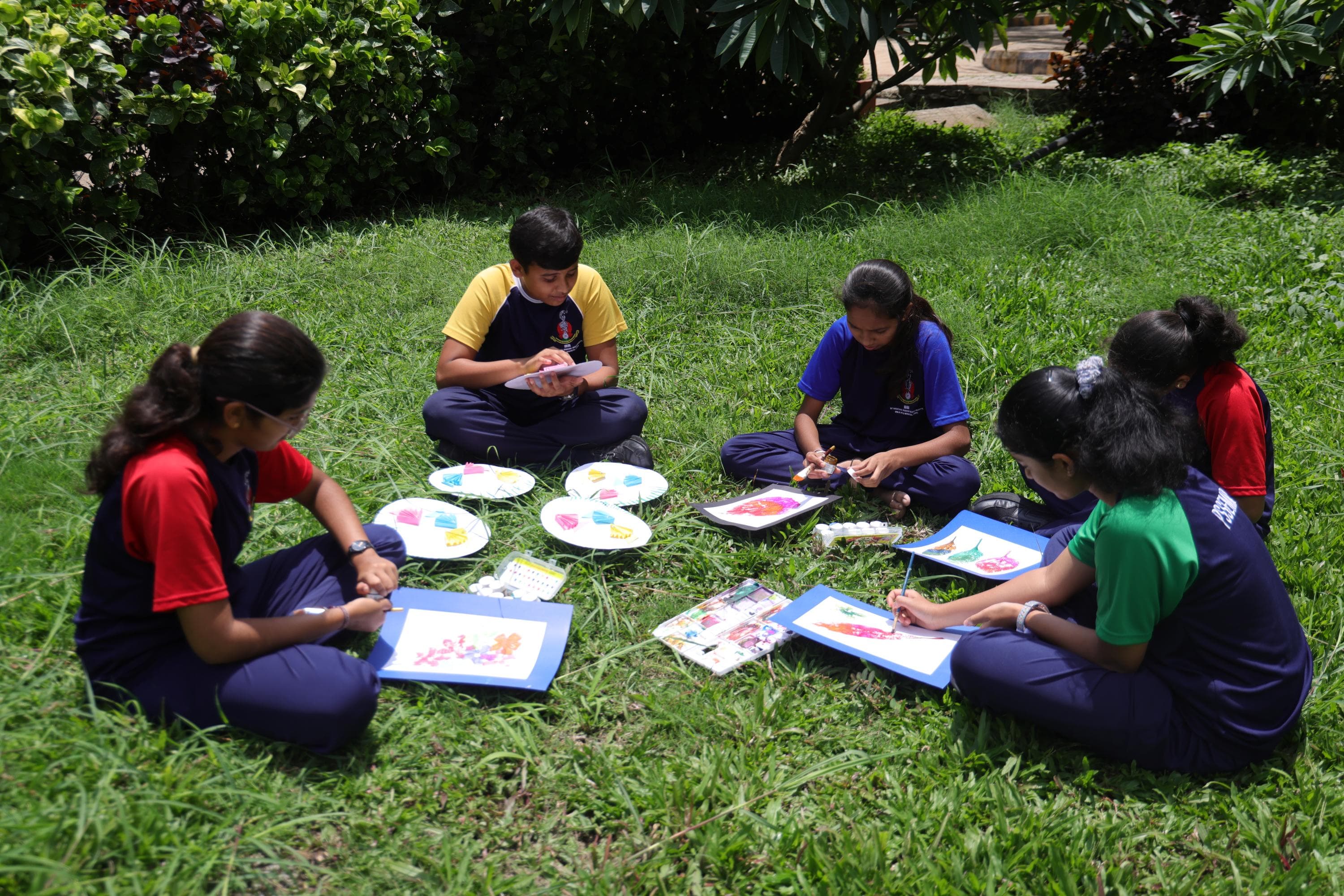
Solve Real-World Problems
Ideas get applied to situations outside the textbook, where the numbers are untidy and there is rarely one clean answer.
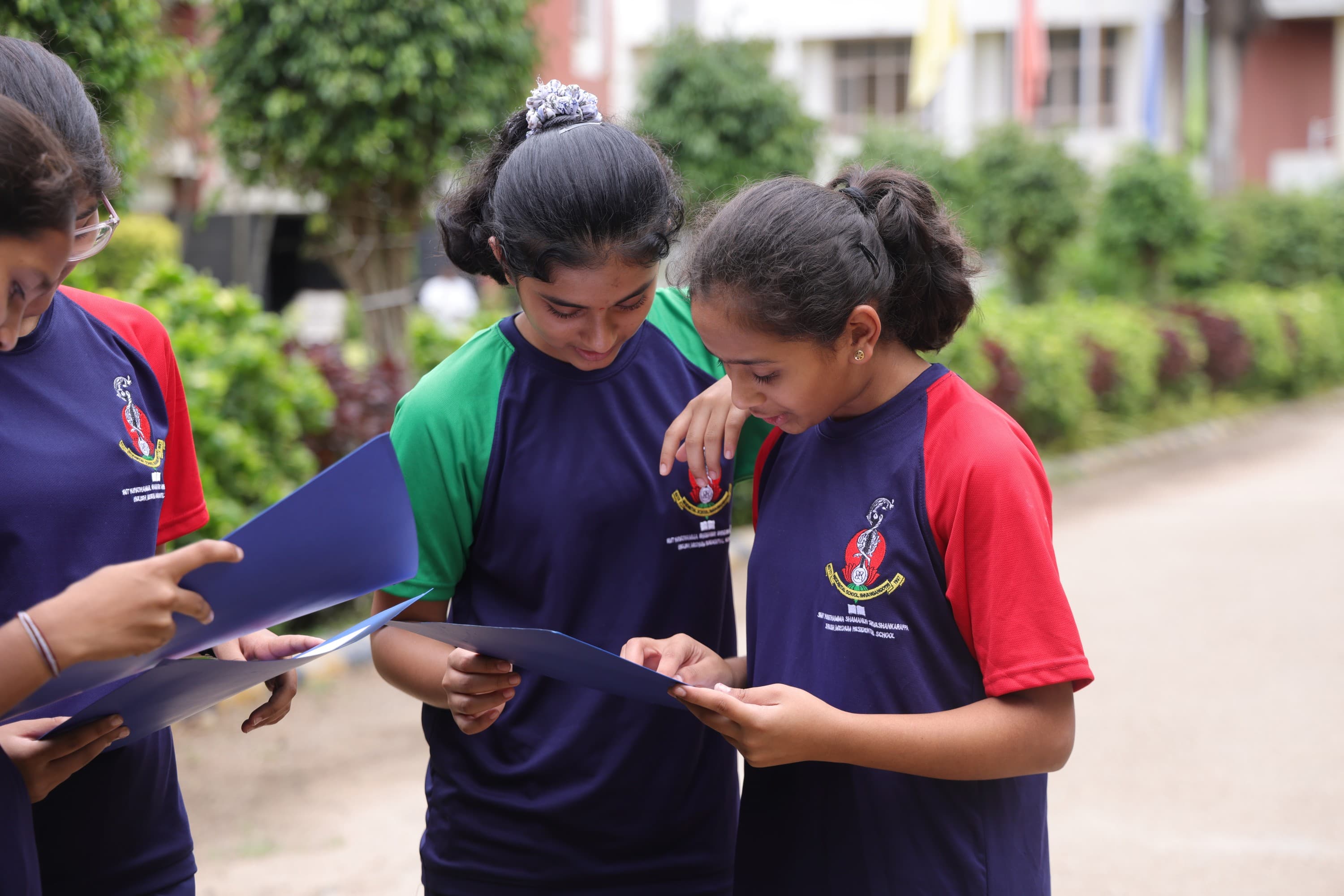
Collaborate and Communicate
Investigating in a group and presenting the result is part of the work, so learners get used to speaking, listening and disagreeing well.
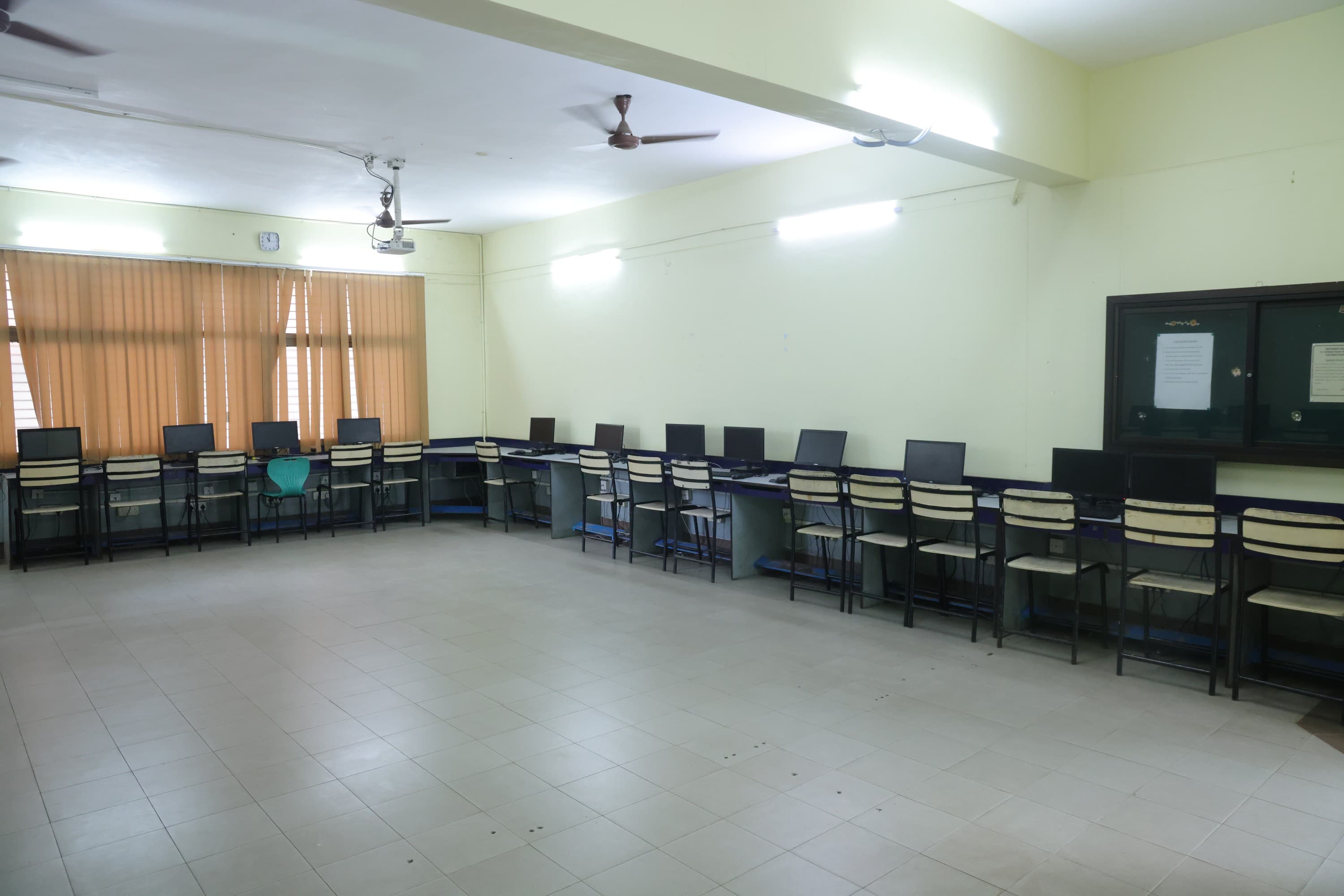
Research and Investigate
Learners plan their own enquiry, chase down sources, and put the pieces together into a conclusion that is genuinely theirs.
No Two Learners Are Alike
One child needs the concept drawn twice; another was ready to move on ten minutes ago. Our classrooms are set up so both are catered for in the same lesson rather than one waiting for the other.
That is not a slogan — it rests on four practical things we do every term.
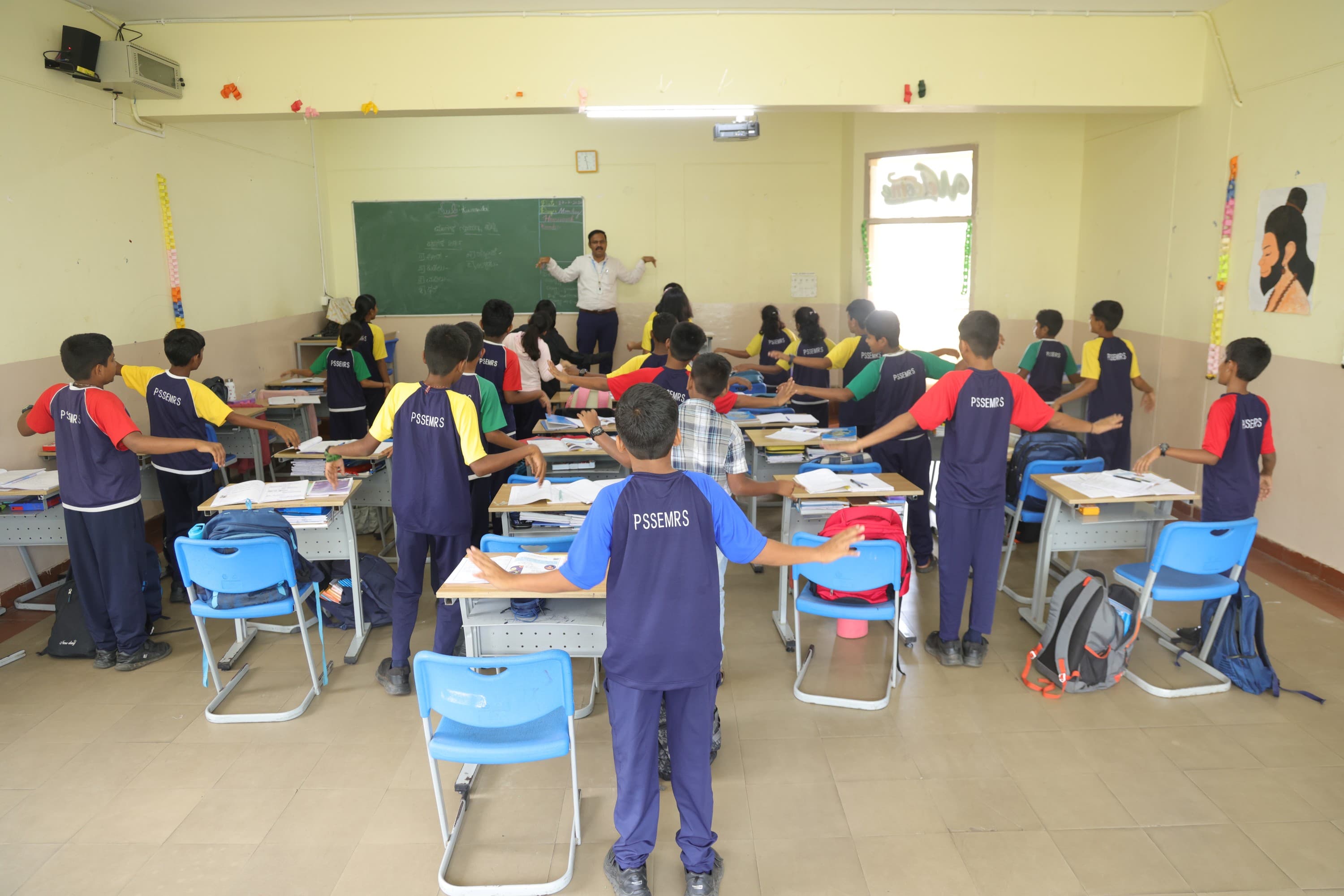
Continuous Assessment
Progress is checked through the year, so gaps are caught early rather than at an exam.
Regular Academic Mentoring
Each learner has a mentor who knows their strengths and what they are working on.
Individual Feedback
Feedback is specific and actionable - what to do next, not just a mark.
Differentiated Instruction
The same concept is taught more than one way, because learners do not all arrive the same way.
Ten Skills Your Child Carries Into Any Future
The future belongs to learners who can adapt, innovate and lead. These competencies are built into the Cambridge programme year by year.
These skills prepare learners for higher education, entrepreneurship, research and professional careers — in India and across the world.
Who Your Child Becomes Here
Every learner leaving our Cambridge programme is encouraged towards five attributes. They shape how we teach, not just what we teach.
A Confident Communicator
Able to explain an idea clearly, listen properly, and hold their own in a discussion.
A Responsible Citizen
Aware that their choices affect other people, and willing to act on that.
A Reflective Thinker
Able to look back at their own work and reasoning honestly, and improve it.
An Innovative Problem Solver
Comfortable with problems that have no worked example to copy.
An Engaged Global Learner
Curious about the wider world and able to see an issue from more than one side.